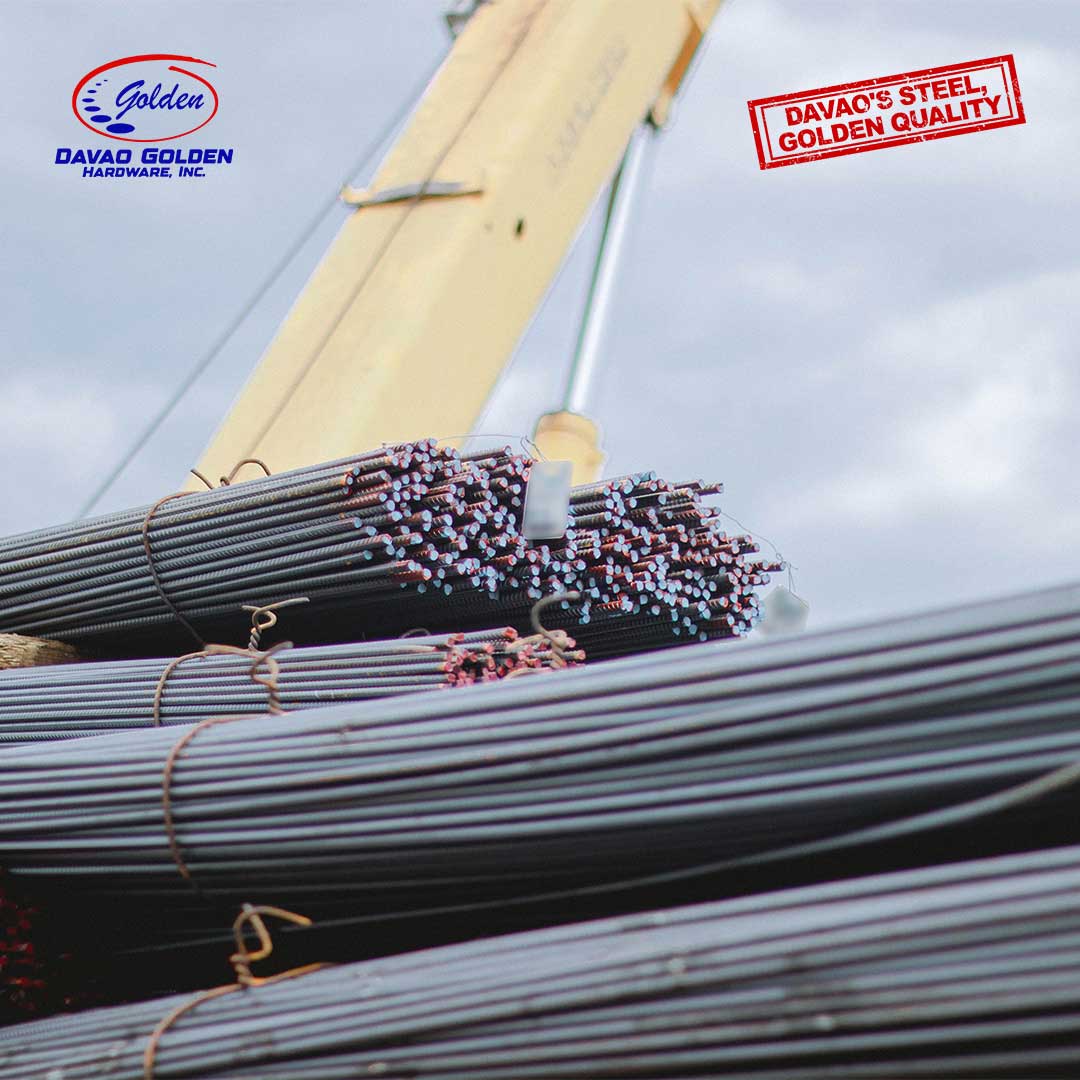
Deformed Steel Bars: The Backbone of Philippine Reinforced Concrete Construction
In the earthquake-prone landscape of the Philippines, Deformed Steel Bars serve as the critical reinforcement that transforms brittle concrete into resilient, ductile structural systems. These ribbed steel reinforcement bars provide the tensile strength essential for modern reinforced concrete construction, making them indispensable for everything from residential homes to major infrastructure projects across the archipelago.
The unique surface pattern and advanced metallurgy of deformed steel bars create optimal bond with concrete while providing the seismic resistance crucial for Philippine construction standards and life safety requirements.
Understanding Deformed Steel Bars Technology and Manufacturing
Deformed Steel Bars, commonly known as rebar, represent sophisticated steel products manufactured specifically for concrete reinforcement applications where superior bond strength and ductility are paramount.
Advanced Manufacturing Processes
Hot Rolling Production: Deformed steel bars are produced through hot rolling processes where heated steel billets pass through specialized rolling mills that simultaneously reduce diameter and imprint the characteristic rib pattern.
Controlled Chemistry: Modern steelmaking utilizes precise chemical composition control, incorporating elements like manganese, silicon, and carbon to optimize strength, ductility, and weldability for seismic applications.
Rib Pattern Engineering: The deformation pattern is precisely engineered to maximize bond with concrete while maintaining adequate ductility for earthquake resistance and construction handling.
Heat Treatment: Many high-strength deformed bars undergo controlled cooling or tempering processes that enhance mechanical properties while maintaining the ductility essential for seismic performance.
Technical Specifications and Material Standards
Grade Classifications and Properties
Grade 40 (280 MPa): Entry-level deformed bars suitable for residential construction and light commercial applications throughout the Philippines.
Grade 60 (420 MPa): Standard high-strength deformed bars widely used in commercial, institutional, and infrastructure construction requiring enhanced load capacity.
Grade 75 (520 MPa): High-performance deformed bars for demanding applications including high-rise construction and heavy infrastructure projects.
Seismic Grades: Specialized deformed bars with enhanced ductility characteristics specifically designed for seismic zones like the Philippines.
Dimensional Standards and Specifications
Diameter Range: Available in diameters from 6mm to 36mm (#2 to #11 in imperial designation), accommodating applications from light residential to heavy industrial construction.
Length Options: Standard lengths of 6, 9, and 12 meters with custom lengths available for specific project requirements and transportation constraints.
Rib Pattern: Standardized deformation patterns providing minimum relative rib area of 0.075 to ensure adequate bond with concrete under all loading conditions.
Bend Requirements: Minimum bend diameter specifications ensure bars can be shaped for construction without compromising structural integrity or creating stress concentrations.
Comprehensive Applications in Philippine Construction
Residential Construction
Single-Family Homes: Deformed steel bars reinforce concrete foundations, columns, beams, and slabs in residential construction throughout the Philippines, providing essential earthquake resistance.
Condominium Development: High-rise residential towers utilize deformed bars for primary structural elements including transfer beams, core walls, and floor systems.
Affordable Housing: Government housing projects rely on cost-effective deformed bar reinforcement to provide safe, durable housing for Filipino families.
Commercial and Institutional Buildings
Office Buildings: Commercial towers across Manila, Cebu, and emerging business districts depend on deformed steel bars for their reinforced concrete structural systems.
Shopping Centers: Large-span retail facilities utilize deformed bars in post-tensioned concrete systems and conventional reinforcement for optimal structural performance.
Educational Facilities: Schools and universities require the seismic resistance that properly designed deformed bar reinforcement provides for student and faculty safety.
Infrastructure Development
Bridge Construction: Highway overpasses, pedestrian bridges, and major span structures throughout the Philippines rely on deformed steel bars for their reinforced concrete elements.
Transportation Systems: MRT, LRT, and future railway projects utilize deformed bars in station construction, elevated guideways, and tunnel systems.
Water Infrastructure: Treatment plants, pump stations, and distribution systems use corrosion-resistant deformed bars for concrete structures exposed to water and chemicals.
Seismic Design and Performance Excellence
Earthquake Resistance Characteristics
- Ductility Requirement
- Bond Strength
- Energy Dissipation
Seismic Detailing Requirements
- Confinement Systems
- Lap Splice Design
- Development Length
Corrosion Protection and Durability Systems
Tropical Climate Considerations
Concrete Cover: Adequate concrete cover protects deformed steel bars from carbonation and chloride ingress common in Philippine coastal environments.
Epoxy Coating: Fusion-bonded epoxy coatings provide enhanced corrosion protection for deformed bars in marine and industrial environments.
Stainless Steel Options: Stainless steel deformed bars offer superior corrosion resistance for critical applications and extended service life requirements.
Quality Control Measures
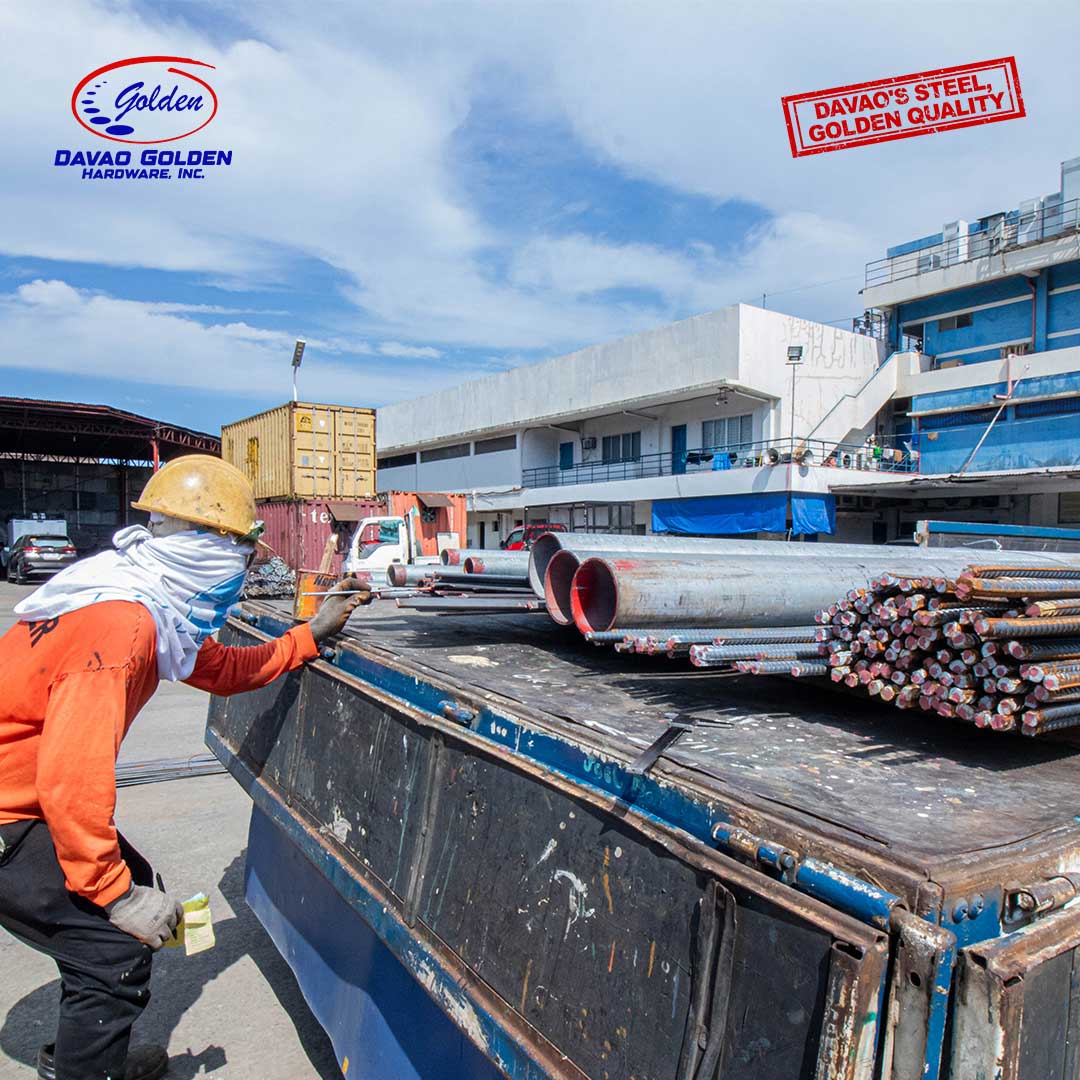
Material Testing: Regular testing verifies yield strength, tensile strength, elongation, and bend properties to ensure compliance with Philippine standards.
Corrosion Testing: Accelerated corrosion tests evaluate protective systems and predict long-term performance in aggressive environments.
Bond Testing: Pull-out tests verify adequate bond between deformed bars and concrete under various conditions and mix designs.
Installation Best Practices and Quality Assurance
Placement and Positioning
Accurate Spacing: Proper spacing maintains concrete cover requirements while ensuring adequate bond and load transfer between bars and concrete.
Support Systems: Chair supports, bolsters, and ties maintain reinforcement position during concrete placement and vibration.
Bend Radius Control: Field bending must respect minimum bend radius requirements to prevent material damage and stress concentrations.
Splicing and Connection Methods
Lap Splices: Overlapping deformed bars with adequate length provides continuity in reinforcement systems without compromising strength.
Mechanical Splices: Threaded couplers and other mechanical connections offer alternatives for situations where lap splices are impractical.
Welded Splices: Limited welding applications require special procedures and qualified welders to maintain material properties.
Strategic Sourcing and Supply Chain Management
Supplier Selection Criteria
Manufacturing Standards: Leading suppliers maintain facilities certified to produce deformed steel bars meeting Philippine and international standards.
Quality Certifications: Reputable suppliers provide comprehensive mill test certificates documenting chemical composition and mechanical properties.
Technical Support: The best suppliers offer design assistance, detailing guidance, and installation support specific to Philippine seismic requirements.
Delivery Reliability: Consistent supply schedules prevent construction delays and support just-in-time delivery for active construction sites.
For professional-grade deformed steel bars in the Philippines, Davao Golden Hardware provides comprehensive reinforcement solutions with expert technical support and dependable delivery schedules tailored to demanding Philippine construction standards.
Cost Analysis and Economic Benefits
Material Cost Optimization
Grade Selection: Proper grade selection balances strength requirements with cost considerations for optimal project economics.
Standardization: Utilizing standard bar sizes and lengths reduces cutting waste and optimizes material utilization.
Bulk Purchasing: Volume procurement provides cost advantages for large projects while ensuring material consistency.
Construction Efficiency
Prefabrication: Off-site cutting and bending reduces field labor and improves quality control while accelerating construction schedules.
Placement Productivity: Proper planning and sequencing maximize crew productivity during reinforcement installation.
Quality Reduction: Superior materials and installation reduce the risk of construction defects and associated repair costs.
Industry Standards and Regulatory Compliance
Philippine Standards Framework
The Philippine Institute of Civil Engineers provides guidance for deformed steel bar applications under the National Structural Code of the Philippines (NSCP).
- ASTM Standards
- Philippine National Standards
- Quality Assurance
International Standards Integration
The American Concrete Institute (ACI) provides design guidance for reinforced concrete that forms the basis for Philippine applications.
Seismic Provisions: ACI 318 seismic provisions are incorporated into Philippine codes to ensure adequate earthquake resistance.
Development Standards: International best practices for reinforcement development and splicing enhance local construction quality.
Environmental Impact and Sustainability
Sustainable Construction Benefits
Recycled Content: Deformed steel bars typically contain 95%+ recycled content, making them one of the most sustainable construction materials available.
Durability Performance: Properly designed reinforced concrete structures provide 75-100 year service life, reducing replacement material requirements.
End-of-Life Recovery: Steel reinforcement maintains full recyclability at structure end-of-life, supporting circular economy principles.
Green Building Integration
LEED Certification: High recycled content contributes to sustainable construction credits in green building certification programs.
Local Sourcing: Philippine-manufactured deformed bars reduce transportation impacts while supporting local industry.
Material Efficiency: Optimized reinforcement design minimizes material usage while maintaining required structural performance.
Advanced Design Methods and Technology Integration
Modern Analysis Techniques
Performance-Based Design: Advanced analysis methods optimize deformed bar reinforcement for specific performance objectives and loading conditions.
Finite Element Analysis: Computer modeling enables precise prediction of reinforcement behavior under complex loading conditions.
Seismic Modeling: Sophisticated modeling techniques ensure adequate earthquake resistance while optimizing material usage.
Digital Integration
Building Information Modeling: BIM technology enables precise reinforcement design, clash detection, and construction coordination.
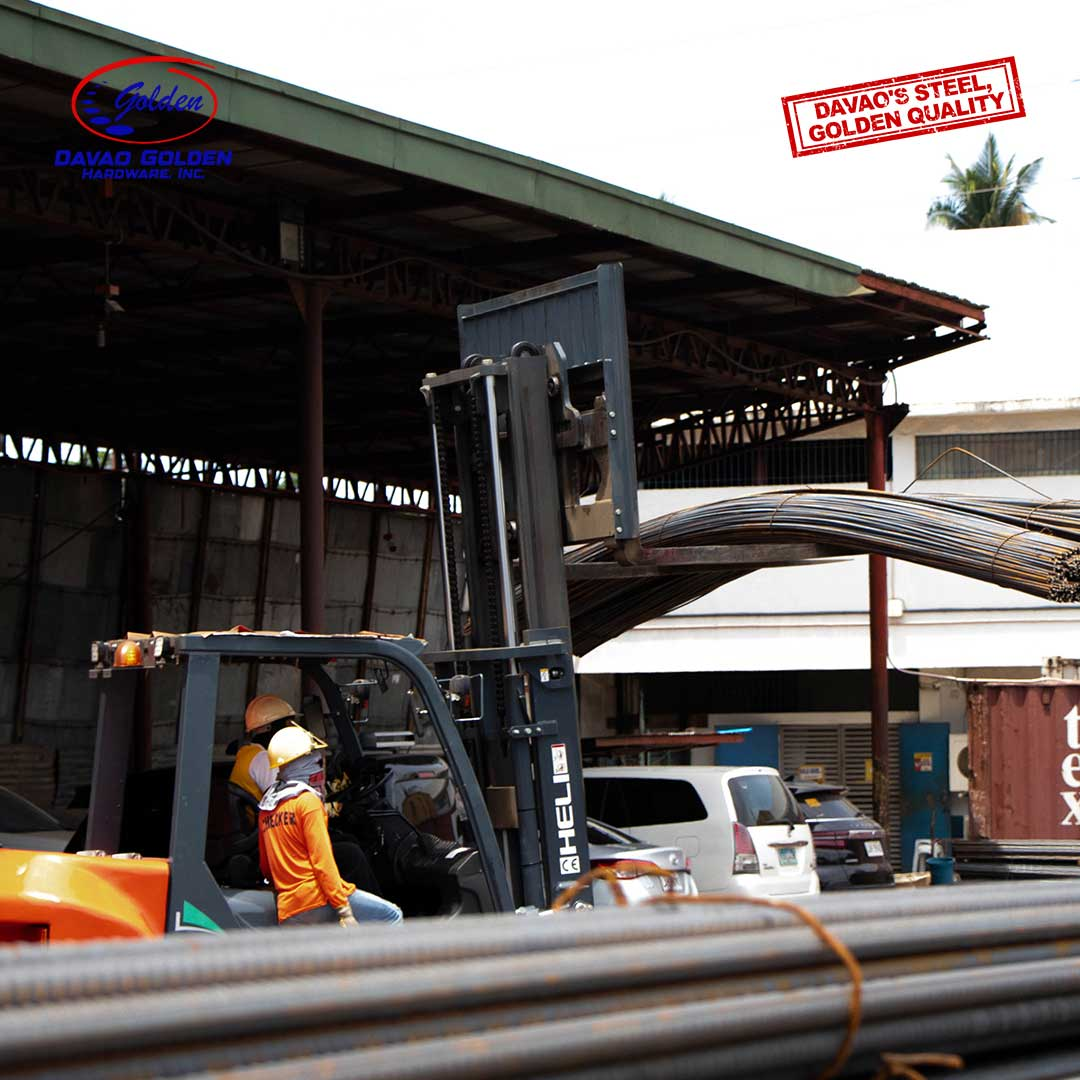
Automated Processing: Computer-controlled cutting and bending equipment improves accuracy while reducing labor requirements.
Quality Tracking: Digital systems monitor reinforcement from delivery through placement, ensuring quality control and code compliance.
Future Technology and Market Evolution
Advanced Materials
High-Performance Grades: New steel grades provide enhanced properties while maintaining cost-effectiveness for demanding applications.
Composite Reinforcement: Fiber-reinforced polymer bars offer alternatives for specific applications requiring non-metallic reinforcement.
Smart Materials: Embedded sensors enable real-time monitoring of reinforcement performance and structural health.
Market Development
Infrastructure Investment: Continued government infrastructure spending drives demand for reinforcement steel throughout the Philippines.
Seismic Technology: Advancing seismic design methods optimize deformed bar usage while improving earthquake resistance.
Sustainable Construction: Increasing focus on sustainable building practices favors durable materials with high recycled content.
Quality Control and Testing Protocols
Material Verification
Tensile Testing: Regular testing verifies yield strength, ultimate strength, and elongation properties for each production lot.
Bend Testing: Bend tests ensure adequate ductility and freedom from defects that could compromise seismic performance.
Chemical Analysis: Verification of chemical composition ensures weldability and corrosion resistance properties.
Construction Quality Assurance
Placement Inspection: Systematic inspection verifies proper spacing, cover, and detailing before concrete placement.
Documentation Requirements: Complete records ensure code compliance and provide basis for structural warranties.
Non-Destructive Testing: Ground-penetrating radar and other techniques verify reinforcement placement in completed structures.
Strategic Implementation for Philippine Projects
Deformed Steel Bars represent the essential reinforcement that enables safe, durable reinforced concrete construction throughout the Philippines. Their combination of strength, ductility, and bond characteristics makes them indispensable for seismic-resistant construction in this earthquake-prone region.
As the Philippines continues expanding its infrastructure and urban development, deformed steel bars provide the reliable reinforcement performance necessary for structures that protect lives and support economic growth across the archipelago.