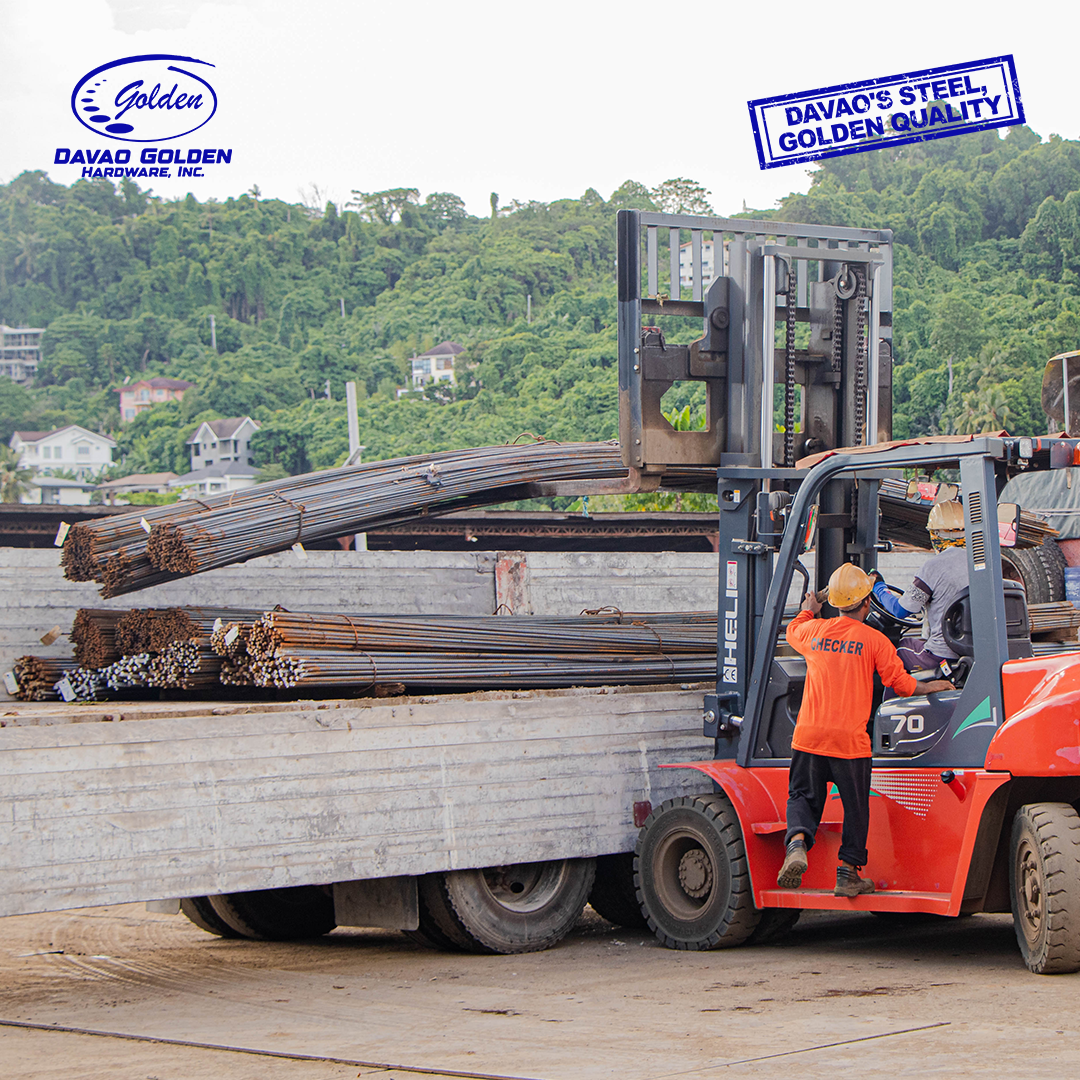
Structural Steel Philippines: Engineering Excellence for Modern Construction
While concrete dominated Philippine construction for decades, a quiet revolution has been reshaping our cities. Walk through Bonifacio Global City, survey the industrial complexes of Laguna, or examine the infrastructure projects across Mindanao—structural steel now forms the backbone of the Philippines’ most ambitious developments.
This transformation didn’t happen by accident. It’s the result of three converging forces that have made structural steel the smart choice for forward-thinking Filipino developers and engineers.
Why Structural Steel Is Winning in the Philippines
Speed That Changes Everything
When Ayala Land needed to complete their latest BGC tower in record time, they chose structural steel construction. The result? 40% faster completion compared to traditional concrete methods, translating to millions in saved financing costs and earlier revenue generation.
Economic Efficiency That Drives Profits
Here’s what most developers don’t realize: despite higher material costs, structural steel often delivers 15-25% lower total project costs through reduced foundation requirements, faster construction, and earlier occupancy.
When Ayala Land needed to complete their latest BGC tower in record time, they chose structural steel construction. The result? 40% faster completion compared to traditional concrete methods, translating to millions in saved financing costs and earlier revenue generation.
Earthquake Resilience That Saves Lives
The 2019 Mindanao earthquakes proved what engineers already knew: properly designed structural steel buildings perform exceptionally during seismic events. While concrete structures suffered significant damage, steel-framed buildings maintained their integrity, protecting both lives and investments.
The Hidden Mathematics of Structural Steel
Foundation Cost Revelations
Traditional Concrete Building (10-story office):
- Building weight: 12,000 tons
- Foundation depth required: 25 meters
- Foundation cost: ₱45 million
Structural Steel Alternative:
- Building weight: 7,500 tons
- Foundation depth required: 18 meters
- Foundation cost: ₱28 million
- Savings: ₱17 million on foundations alone
Construction Timeline Impact
| Project Phase | Concrete Method | Steel Method | Time Savings |
|---|---|---|---|
| Foundation | 12 weeks | 8 weeks | 4 weeks |
| Structure | 32 weeks | 18 weeks | 14 weeks |
| Envelope | 16 weeks | 12 weeks | 4 weeks |
| Total | 60 weeks | 38 weeks | 22 weeks |
22 weeks earlier completion = 5 months additional rental income for commercial projects
Essential Structural Steel Components: Your Selection Guide
Wide Flange Beams: The Workhorses
Wide flange beams have revolutionized Philippine construction by enabling longer spans with fewer columns. This translates directly into more usable floor space and greater design flexibility.
Popular Sizes in Philippine Market:
- W200×36: Standard commercial construction, spans up to 8 meters
- W300×74: Heavy commercial, spans up to 12 meters
- W400×100: High-rise construction, spans up to 15 meters
- W600×174: Major infrastructure, spans exceeding 20 meters
Designer’s Secret: Specifying one size larger beam often eliminates the need for intermediate columns, creating more valuable open space that increases building value.
Angle Bars: The Versatile Connectors
Don’t underestimate angle bars—they’re the unsung heroes of structural steel construction. From simple connections to complex bracing systems, these L-shaped sections provide structural integrity while maintaining cost-effectiveness.
Strategic Applications: → Bracing systems that provide lateral stability → Connection elements linking major structural components → Secondary framing supporting architectural and mechanical systems → Retrofit reinforcement strengthening existing structures
Channels: Specialized Performance Solutions
Channel sections excel in applications requiring high strength-to-weight ratios with specific geometric constraints. Their C-shaped profile provides excellent resistance to bending while maintaining material efficiency.
Premium Applications: → Crane rails in industrial facilities → Structural supports for heavy mechanical equipment → Architectural features combining structure with aesthetics → Specialized connections in complex structural assemblies
Structural Steel Grades: Making the Right Choice
A572 Grade 50: The Philippine Standard
This high-strength, low-alloy steel has become the backbone of modern Philippine construction. With yield strength of 345 MPa, it provides superior performance while maintaining excellent weldability.
Why Grade 50 Dominates:
- 25% stronger than Grade 36, enabling lighter structures
- Excellent seismic performance crucial for Philippine conditions
- Superior weldability ensuring reliable connections
- Wide availability from multiple Philippine suppliers
A992: The High-Rise Champion
Specifically developed for wide flange beam applications, A992 steel offers the perfect balance of strength, ductility, and weldability essential for tall building construction.
Key Advantages:
- Optimized for beam applications with controlled chemistry
- Enhanced ductility for seismic design requirements
- Consistent properties enabling reliable structural calculations
- Premium performance justifying slightly higher costs
Real-World Success Stories: Structural Steel in Action
Case Study: SM Seaside City Cebu
Challenge: Create the Philippines’ largest mall with unprecedented column-free retail spaces while meeting aggressive construction schedules.
Solution: Structural steel frame with 30-meter clear spans using custom-designed trusses and wide flange beams.
Results:
- Construction time: 18 months vs. 30 months for concrete alternative
- Usable retail space: 15% increase due to eliminated columns
- Total project savings: ₱180 million through accelerated opening
- Seismic performance: Exceeds Philippine building code requirements
Case Study: NAIA Terminal 3 Expansion
Challenge: Expand airport capacity without disrupting operations, requiring rapid construction and exceptional spans.
Solution: Prefabricated structural steel systems assembled during limited construction windows.
Results:
- Minimal operational disruption: 85% of work completed off-site
- Clear spans: 45 meters achieved with custom steel trusses
- Timeline acceleration: 12 months saved through prefabrication
- Future flexibility: Easy expansion capability built into design
Cost Optimization Strategies
Value Engineering Opportunities
Strategy #1: Optimize Member Sizes Instead of using multiple beam sizes, standardize on fewer sizes with higher capacity. This reduces fabrication complexity while potentially lowering overall costs.
Strategy #2: Connection Standardization Develop standard connection details that can be repeated throughout the project. This reduces design time and fabrication costs while improving quality control.
Strategy #3: Prefabrication Maximization Move as much work as possible to controlled shop environments where productivity is 2-3 times higher than field assembly.
Hidden Cost Factors
Quality Impact on Total Costs:
- Poor steel quality: Can increase fabrication costs by 25-40%
- Dimensional inaccuracies: Create field fit-up problems costing ₱15,000-₱25,000 per occurrence
- Surface defects: Require additional preparation, adding 8-12% to coating costs
Regional Market Dynamics: Where to Source Your Steel
Metro Manila: The Hub
- Advantages: Largest supplier selection, most competitive pricing, extensive fabrication capabilities
- Best For: Major projects requiring specialized grades or complex fabrication
- Typical Pricing: Baseline market prices with highest competition
Cebu: The Gateway
- Advantages: Strategic location for Visayas projects, growing fabrication capabilities, reduced shipping costs
- Best For: Regional projects throughout central Philippines
- Typical Pricing: 3-8% premium over Manila, offset by reduced logistics costs
Davao: The Southern Hub
- Advantages: Serving growing Mindanao market, improving inventory levels, regional expertise
- Best For: Mindanao projects, agricultural and mining infrastructure
- Typical Pricing: 5-12% premium, justified by regional service and reduced project logistics
Fabrication Quality: What to Demand
Critical Quality Indicators
Dimensional Accuracy:
- Beam length tolerance: ±3mm
- Hole location tolerance: ±1.5mm
- Squareness tolerance: ±2mm per meter
- Surface preparation: SSPC-SP6 commercial blast minimum
Welding Quality Standards:
- Certified welders meeting AWS D1.1 requirements
- Non-destructive testing on critical welds
- Visual inspection of all welds meeting acceptance criteria
- Complete documentation and traceability
Red Flags in Fabrication
| Warning Sign | Potential Impact | Prevention Strategy |
|---|---|---|
| No AWS certification | Weld failures, safety risks | Verify welder certifications |
| Poor surface prep | Coating failures, corrosion | Inspect blast cleaning quality |
| Dimensional variations | Field fit-up problems | Implement incoming inspection |
| Missing documentation | Compliance issues | Require complete QC records |
Sustainability: The Future of Structural Steel
Environmental Performance Advantages
Recycled Content Leadership: Structural steel typically contains 90-95% recycled material, making it one of construction’s most sustainable choices. At end of building life, steel maintains 100% recyclability without quality degradation.
Energy Efficiency Benefits:
- Reduced foundation concrete: 30-40% less due to lighter structural weight
- Faster construction: Shorter project timelines reduce energy consumption
- Design flexibility: Enables future renovations and adaptive reuse
- Long service life: 50-100+ year building lifespans maximize embodied energy value
Green Building Certification Support
LEED Contributions:
- Materials & Resources credits for recycled content
- Innovation credits for advanced structural systems
- Energy & Atmosphere credits through building performance optimization
- Regional Materials credits when sourced locally
BERDE Philippines Integration:
- Sustainable site development through reduced foundation impact
- Materials efficiency through optimized structural design
- Waste management benefits from precision fabrication
- Innovation opportunities in advanced structural systems
Future Trends Reshaping Structural Steel
Advanced High-Strength Steels
New steel grades with yield strengths exceeding 450 MPa are enabling even lighter structures while maintaining safety margins. These materials will revolutionize high-rise construction economics.
Digital Integration Revolution
Building Information Modeling (BIM): Enables precise coordination and reduces field conflicts by 60-80% Automated Fabrication: CNC machinery improves accuracy while reducing fabrication time Digital Documentation: QR codes and digital records improve project traceability Predictive Analytics: Data-driven insights optimize design and construction processes
Modular Construction Evolution
Prefabricated structural steel modules enable factory-quality construction with field assembly efficiency. This approach is particularly valuable for repetitive building types like hotels and residential towers.
Supplier Evaluation: Your Success Checklist
Technical Capabilities Assessment
Must-Have Qualifications:
- ISO 9001 quality management certification
- AWS certified welding procedures and personnel
- Adequate lifting and handling equipment capacity
- Statistical process control implementation
- Complete material traceability systems
Value-Added Services:
- Engineering and design support capabilities
- 3D modeling and BIM integration services
- Custom fabrication for non-standard requirements
- Delivery coordination and project management
- After-delivery support and problem resolution
Financial Stability Indicators
Green Flags:
- 10+ years continuous operation with growth trajectory
- Diversified customer base across multiple market segments
- Published financial statements and credit references available
- Investment in modern equipment and facility improvements
Warning Signs:
- Heavy dependence on single large customer
- Reluctance to provide financial references
- Deferred maintenance evident in facilities and equipment
- Frequent management changes or ownership transitions
Davao Golden Hardware: Structural Steel Excellence Redefined
We don’t just supply structural steel—we engineer solutions that drive project success. Our approach combines technical expertise with innovative service delivery to ensure your structural steel performs flawlessly.
Engineering Partnership Approach
Design Optimization Services:
- Structural analysis and member sizing verification
- Connection design and detailing optimization
- Value engineering for cost and performance improvement
- Seismic design compliance verification and enhancement
BIM Integration Support:
- 3D modeling services for complex structural assemblies
- Clash detection and resolution before fabrication
- Digital documentation integration with project management systems
- Coordination with architectural and MEP disciplines
Quality Assurance Excellence
Comprehensive Testing Programs:
- Chemical analysis verification for every heat of steel
- Mechanical testing exceeding industry standard requirements
- Dimensional inspection using calibrated measurement systems
- Non-destructive testing on critical structural elements
Documentation Excellence:
- Complete mill test certificate packages with traceability
- Fabrication quality records with photographic documentation
- Third-party inspection reports when required
- Digital document management for easy access and retrieval
Fabrication Capabilities
Advanced Equipment Fleet:
- CNC plasma and oxy-fuel cutting systems for precision profiling
- Multiple crane capacity for handling up to 50-ton assemblies
- Automated welding systems ensuring consistent quality
- Shot blasting and painting facilities for complete finishing
Custom Solutions:
- Non-standard structural shapes through specialized rolling
- Complex assemblies requiring advanced fabrication techniques
- Architectural steelwork combining structure with aesthetics
- Specialized coatings for demanding environmental conditions
Project Management Excellence
Delivery Coordination:
- Just-in-time delivery synchronized with construction schedules
- Sequenced deliveries minimizing site storage requirements
- Specialized transportation for oversized structural elements
- Real-time tracking and communication throughout delivery process
Problem-Solving Support:
- 24/7 technical support for field questions and issues
- Emergency response capabilities for urgent project needs
- Field service personnel for complex installation support
- Continuous improvement feedback integration
Our Commitment: Every structural steel project receives the full attention of our engineering team, ensuring optimal performance and value delivery that exceeds client expectations.
Ready to experience structural steel excellence? Contact Davao Golden Hardware for comprehensive project consultation and innovative structural steel solutions.
Frequently Asked Questions
How do I calculate the optimal structural steel grade for my project?
Consider three factors: required strength (from structural analysis), seismic performance requirements (ductility), and economic optimization. Grade 50 serves most Philippine applications effectively, while Grade 36 may suffice for lighter structures.
What's the real cost difference between steel and concrete construction?
Initial material costs favor concrete, but total project costs often favor steel due to faster construction, reduced foundations, and earlier occupancy. Typically, steel projects complete 25-40% faster.
How do I ensure structural steel quality when multiple suppliers quote similar prices?
Focus on fabrication capabilities, quality certifications, and project references rather than just material pricing. Poor fabrication can cost 10-20 times the initial savings in field problems.
Can structural steel buildings be expanded or modified easily?
Yes, this is a major advantage. Steel structures can be modified, expanded, or retrofitted much more easily than concrete, providing long-term value and adaptability.
What fire protection is required for structural steel in the Philippines?
Depends on building occupancy and height. Most commercial buildings require fireproofing rated for 1-3 hours. Intumescent coatings offer aesthetic advantages over spray-applied fireproofing.